The Australian Taxation Office (ATO) has updated its
approach to how you claim expenses for working from home.
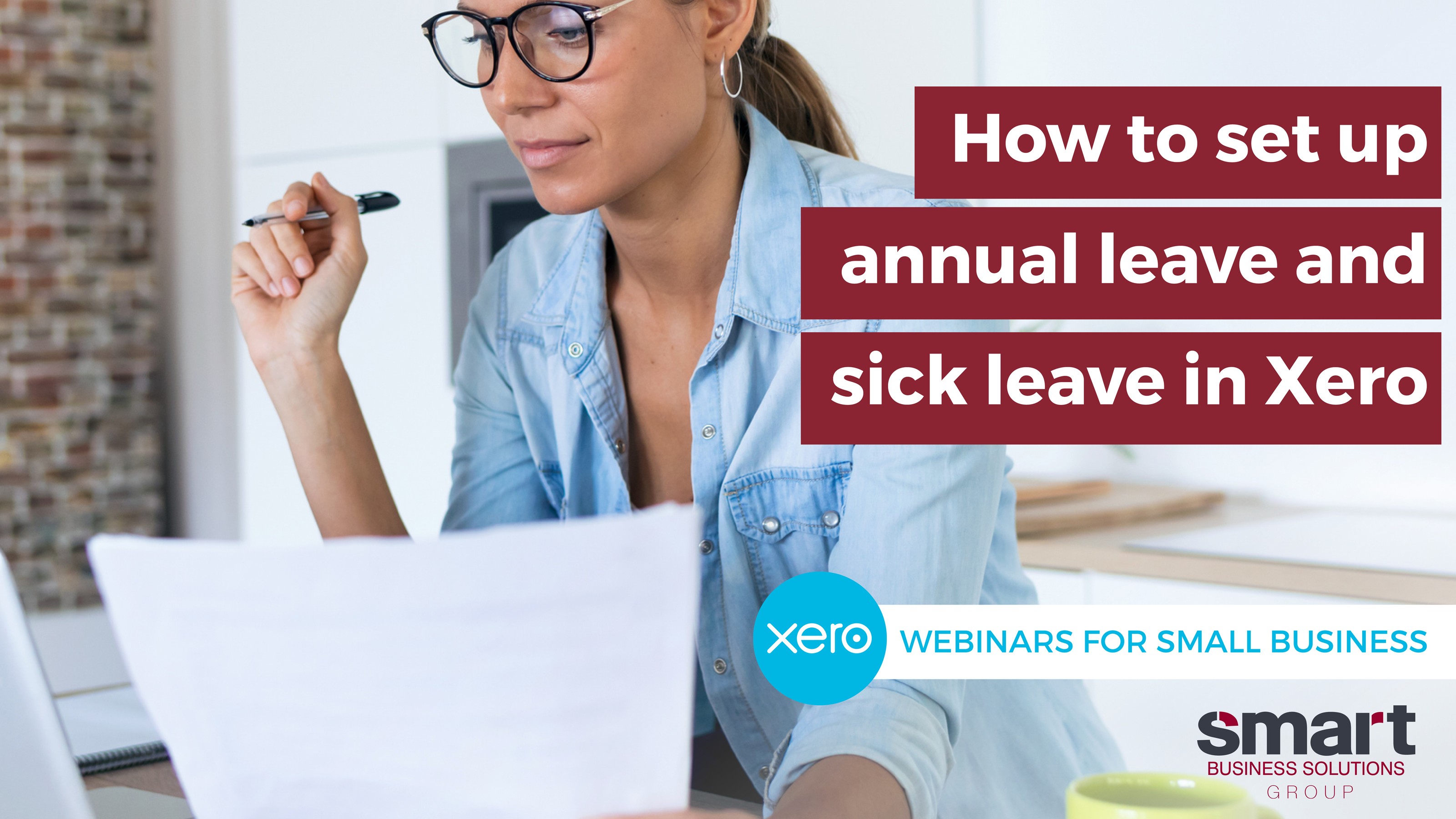
The ATO has ‘refreshed’ the way you can claim deductions for the costs you incur when you work from home. From 1 July 2022 onwards, you can
choose either to use a new ‘fixed rate’ method (67 cents per hour), or the ‘actual cost’ method depending on what works out best for your
scenario. Either way, you will need to gather and retain certain records to make a claim.
The first issue for claiming any deduction is that there must be a link between the costs you incurred and the way you earn your income. If
you incur an expense but it doesn’t relate to your work, or only partially relates to your work, you cannot claim the full cost as a
deduction.
The second key issue is that you need to incur costs associated with working from home. For example, if you are living with your parents and
not picking up any of the expenses for running the home then you can’t claim deductions for working from home as you have not incurred the
expenses, even if you are paying board (the ATO treats this as a private arrangement).
Let’s take a look at the detail:
We provide strategic business and tax advisory, underpinned by our expertise in financial planning to ensure we develop financial structures that are smart and well considered.
Purchasing a home as a couple is a major financial and emotional milestone. Beyond simply owning property together, it signifies a long-term commitment to shared financial and lifestyle goals.
The November CPI print showed that monthly trimmed mean inflation decelerated from 3.5% to 3.2%. While services and housing inflation continued the downward trend, electricity prices surprised to the upside after various subsidies came off.
Business owners with private companies must understand Division 7A of the Income Tax Assessment Act when withdrawing funds. Unlike wages or dividends, these withdrawals may be treated as loans or drawings, and Division 7A ensures they are not automatically tax-free, preventing potential tax implications.
Asset finance is a flexible funding solution that allows businesses to acquire essential equipment without paying the full cost upfront.
In the lead up to 30 June, we want you to know why using a bucket company can be a great strategy for saving tax on trust profits distributed.
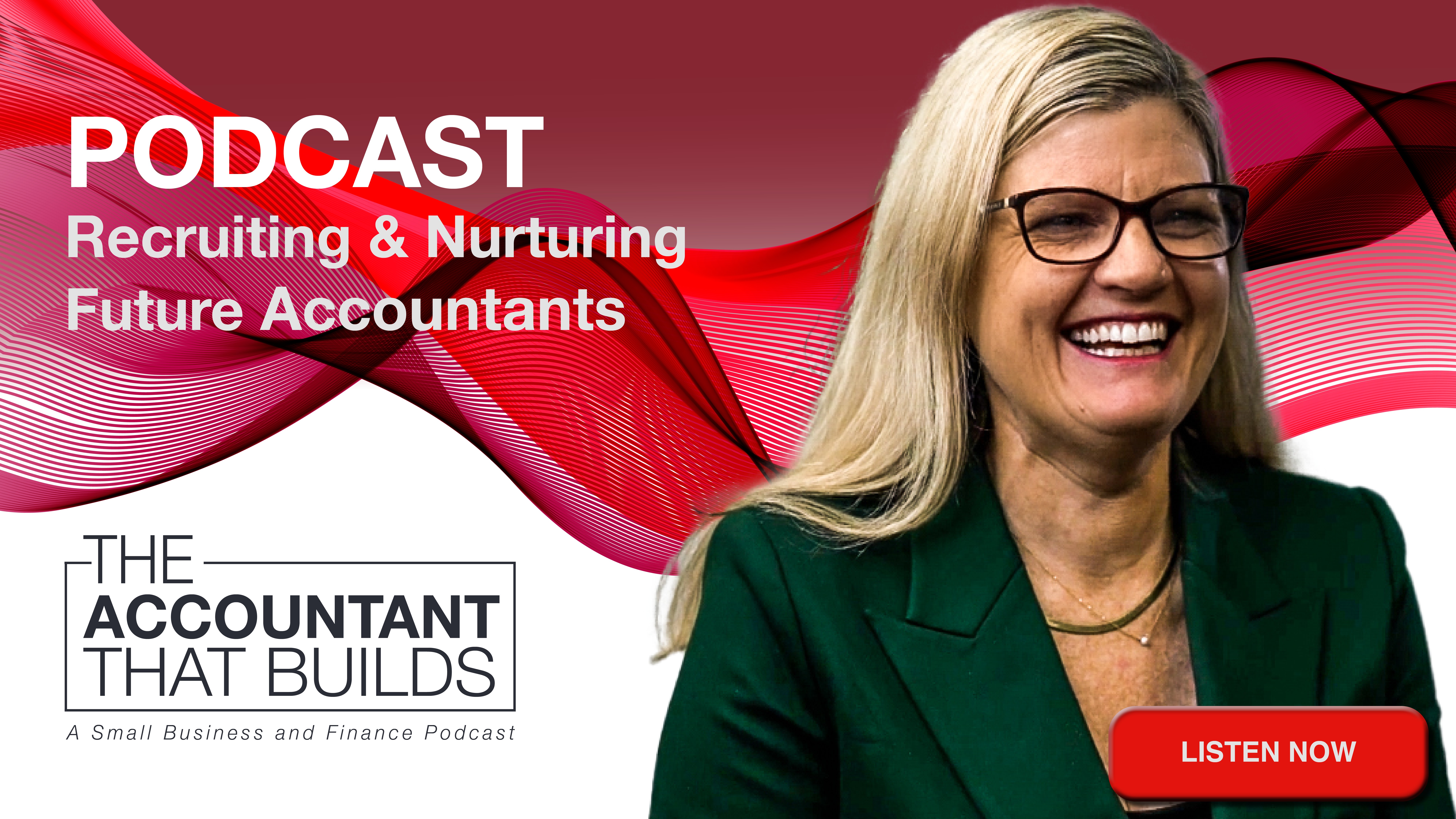
Smit is well-known for her years of international and local experience, expertise in niche areas, small business tactics and her recruitment process for young up-and-comers.
Aged care financial planning is a highly specialised area that requires not only financial expertise but also an understanding of the
emotional challenges families face. In this episode of The Accountant That Builds, host Shannon Smit sits down with Aged Care Financial
Advice specialists to unpack the complexities of aged care funding.
In today’s fast-paced world, productivity has become a paramount concern for professionals and business owners alike. We constantly strive to optimise our workflows, eliminate inefficiencies, and maximise the value we derive from every minute of our day. One of the key steps in achieving this is recognising the habits and tasks that drain our productivity and replacing them with more effective strategies.
Manufacturing PMI in November increased to roughly 50, hovering near the breakpoint between expansion and contraction.
Rising living costs have made it tricky for many Australians to make ends meet.
If you own your own home, you’ve benefited from rising property prices – but only on paper.
This article provides you with a guide to broaching this sensitive subject gently and productively, so your loved ones feel heard and respected.
Purchasing early in the year can provide six months of tax benefits, and various financing options are also available, including no-deposit solutions.
With summer well and truly here, and perfect boating weather on the horizon, many Aussies are looking at the best way to finance their dream vessel.
In this episode of the podcast, host Shannon Smit sits down with the dynamic and globally renowned futurist Steve Sammartino to discuss the transformative power of Artificial Intelligence (AI) and what it means for businesses, society, and the future.
The age pension in Australia has recently seen an increase in payment rates, making it a more attractive option for retirees. And here’s the good news: you don’t need $1 million in the bank to live like a millionaire in retirement.
The report reveals that 84 per cent of first-home buyers preferred to purchase sooner with a smaller deposit, rather than delay their purchase to save more.
The scheme allows eligible Australians to purchase property with the government contributing up to 40 per cent of the purchase price for new homes and 30 per cent for existing properties.
Mortgage brokers have access to a broad panel of lenders, ranging from major banks to specialist lenders.
Equipment finance offers a flexible solution for acquiring the assets your business needs without significant upfront costs.
Commercial properties showed remarkable strength in 2024, with the essential service sectors driving significant growth across the Australian market.
Creating an effective budget is crucial for successful saving. One way to do this is to set up multiple debit cards for different spending categories.
Debtor finance is a financial arrangement where a business uses its accounts receivable (unpaid customer invoices) as collateral to secure funding.
Asset finance can be a powerful tool to help businesses work their way through the season smoothly while setting up for long-term growth.
The Australian commercial property market is set for a rebound in 2025, amid changing market conditions and renewed investor interest expected to lead the recovery.
The commercial property market is entering a period of strategic change, with new trends reshaping investment opportunities across various sectors.
While most car loans typically run for three to five years, extending beyond this can lower your monthly repayments.
Properties in markets with high supply levels or significant fluctuations in prices may be seen as higher risk.
Banks use this credit score to assess your creditworthiness, and it can significantly impact your ability to secure good financing terms.
For many Australians, purchasing an investment property first – known as 'rentvesting' – can be a smarter financial strategy.
The property investment landscape in Australia is experiencing a significant shift, as Queensland approaches Victoria's position as the second-largest investor market in the country.
Open homes can be overwhelming for first-time buyers. With so much at stake, asking the right questions is crucial to making an informed decision.
A good credit score can lead to better loan terms, lower interest rates and smoother approval processes.
Asset finance can be a powerful tool for startups looking to purchase equipment and technology without using up their cash reserves.
Sydney has emerged as Australia's retail powerhouse, while office markets across the country continue to face challenges.
Commercial properties leased to established charities are emerging as highly sought-after investments.
Australia's construction sector, with commercial and infrastructure projects reaching record levels while residential development declines.
Darren and Jenny have one child and are planning for his secondary education at a Melbourne private school. Utilising education bonds, they aim to ensure they have sufficient funds to cover all tuition fees and associated costs throughout his education.
As Australia's highest marginal tax bracket impacts more individuals, a growing number of Australians face rising tax obligations due to "bracket creep," where wage growth outpaces tax rate adjustments. This trend is expected to persist, with tax-efficient strategies the backbone for financial advice to help individuals secure long-term wealth.
Car loan refinancing involves replacing your existing car loan with a new one. The new loan pays off your existing debt, allowing you to start making payments on the refinanced car loan.
Lenders often view job stability and income consistency as key factors in their loan approval process, which can make it tricky if you're settling into a new role.
Tax planning is more than just a financial necessity—it's a strategic advantage for businesses of all sizes. By proactively managing your tax strategy, you can significantly reduce your liabilities, enhance cash flow, and ensure full compliance with ever-evolving tax regulations.

























.png)
.png)